
In various industries such as manufacturing, laboratories, and healthcare, the handling of hazardous chemicals is an unavoidable reality. While these substances play a crucial role in many processes, they also pose significant risks to human health and safety if not managed properly. Therefore, it is essential for workers to be equipped with the knowledge and tools to implement effective safety measures. This blog post aims to provide valuable insights into key safety measures when dealing with hazardous chemicals, ensuring the well-being of individuals and fostering a secure work environment.
Educate Yourself: The first step in ensuring safety when dealing with hazardous chemicals is education. Familiarize yourself with the specific properties, risks, and proper handling procedures for each chemical you encounter. Understand the relevant safety data sheets (SDS) provided by manufacturers, which contain crucial information about the chemical’s hazards, safe storage, and emergency procedures.
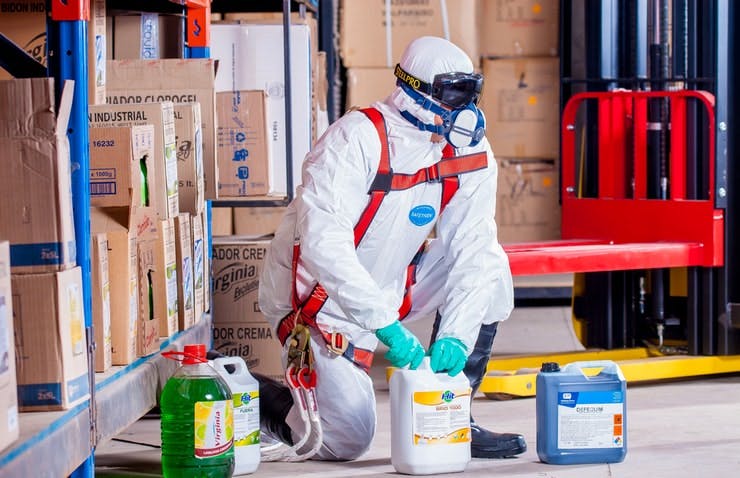
Personal Protective Equipment (PPE): Personal protective equipment is a cornerstone of chemical safety. It serves as a physical barrier between the worker and the hazardous substances. Some essential PPE for chemical handling includes: a. Chemical-Resistant Gloves: Choose gloves made from materials compatible with the specific chemicals being handled. Nitrile, neoprene, and butyl rubber gloves are commonly used for various chemical applications. , b. Safety Goggles or Face Shields: Eye protection is vital to shield against splashes, fumes, or airborne particles. Select appropriate eyewear that offers full coverage and is designed for chemical splash protection. c. Respiratory Protection: When dealing with volatile or airborne chemicals, respiratory protection is crucial. Utilize respirators suitable for the chemical’s vapors, mists, or gases, following proper fit-testing and maintenance protocols. d. Protective Clothing: Wear chemical-resistant suits, aprons, or coveralls to safeguard your skin and clothing from direct contact with hazardous substances.
Engineering Controls: Implement engineering controls to minimize chemical exposure and create a safer work environment. These controls may include: a. Ventilation Systems: Ensure adequate ventilation, such as local exhaust systems, to remove and dilute hazardous fumes, vapors, or gases from the workspace. b. Containment Measures: Use appropriate containment systems, such as fume hoods or safety cabinets, to confine hazardous substances and prevent their spread. c. Spill Control Measures: Have spill kits readily available and ensure employees are trained in spill response procedures. Promptly clean up any spills to prevent further hazards.
Proper Handling and Storage: Adhere to proper handling and storage practices to minimize the risks associated with hazardous chemicals: a. Labeling: Clearly label all containers, including secondary containers, with the chemical name, hazards, and necessary precautionary information. b. Segregation: Store different chemicals separately, following compatibility guidelines to prevent cross-reactions and potential hazards. . c. Secure Storage: Keep hazardous chemicals in designated storage areas with appropriate security measures to prevent unauthorized access and potential accidents. d. Handling Procedures: Follow established protocols for transferring, mixing, and disposing of hazardous chemicals. Avoid shortcuts and ensure that proper equipment and tools are used.
Conclusion: When dealing with hazardous chemicals, safety should always be the top priority. By educating yourself, wearing appropriate personal protective equipment, implementing engineering controls, and following proper handling and storage procedures, you can significantly reduce the risks associated with these substances. Remember, maintaining a safe work environment is a shared responsibility, and everyone must remain vigilant in implementing and enforcing these safety measures. By doing so, we can protect ourselves, our colleagues, and contribute to a culture of safety in the workplace.