
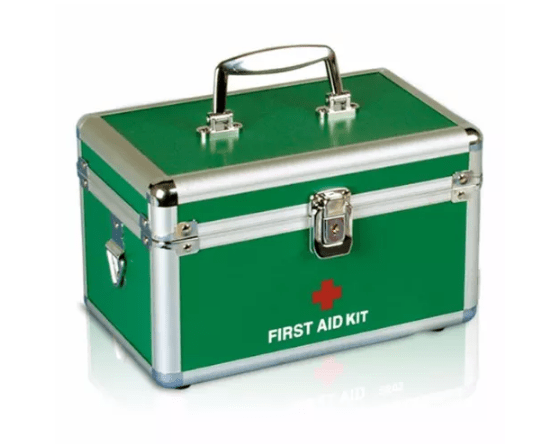
Accidents and medical emergencies can strike unexpectedly, be it at home, work, or while traveling. Having a well-equipped first aid kit on hand is crucial for providing immediate care and potentially saving lives. We will explore the importance of a first aid kit, its essential contents, and how to use it effectively to administer basic medical assistance during emergencies.
Why You Need a First Aid Kit A first aid kit is like a safety net, offering immediate medical aid before professional help arrives. It is a compact and portable resource that can be easily accessed during emergencies. Whether it’s a minor cut, a burn, a sprain, or a more serious situation, a well-prepared first aid kit can make all the difference.
Essential Contents of a First Aid Kit Bandages and Dressings: Include adhesive bandages of various sizes, sterile gauze pads, adhesive tape, and rolled bandages to cover wounds and control bleeding.
Antiseptic Solutions: Antiseptic wipes, hydrogen peroxide, or alcohol-based solutions are crucial for cleaning wounds to prevent infections.
Scissors, Tweezers, and Safety Pins: These tools come in handy for cutting bandages, removing splinters, and securing dressings.
Disposable Gloves: Always have a pair of disposable gloves to protect yourself from coming into direct contact with bodily fluids and germs.
Pain Relievers and Medications: Pack over-the-counter pain relievers like acetaminophen or ibuprofen, as well as any essential medications for specific medical conditions.
CPR Face Shield or Mask: In case of a cardiac emergency, a CPR face shield or mask can provide a protective barrier while administering CPR.
Instant Cold Packs: Cold packs can help reduce swelling and alleviate pain for injuries like sprains and strains.
A Blanket: A compact emergency blanket can be useful in providing warmth and comfort during emergencies.
First Aid Manual: Keep a first aid guide or manual with clear instructions on how to handle common injuries and emergencies.
Using Your First Aid Kit Assess the Situation: Before opening the first aid kit, evaluate the situation and ensure the area is safe for both the victim and yourself. If necessary, call for professional medical help immediately.
Protect Yourself: Wear disposable gloves from the kit to protect yourself from exposure to bodily fluids and potential infections.
Cleanse the Wound: Use antiseptic wipes or a solution to cleanse the wound thoroughly. Gently pat the area dry with sterile gauze.
Dress the Wound: Apply the appropriate dressing or bandage to cover the wound. Use band-aids for smaller cuts and sterile gauze pads for more extensive injuries.
Immobilize Injuries: For sprains or fractures, use rolled bandages or triangular bandages to immobilize the injured area before seeking medical attention.
Provide Comfort: If possible, provide comfort to the victim by using a blanket or keeping them calm and reassured.
Conclusion: A well-stocked and properly maintained first aid kit is an indispensable tool that can make a significant difference in emergency situations. Knowing how to use the contents effectively is equally important. Regularly check and replenish your first aid kit to ensure that all items are up-to-date and in good condition. Remember that a first aid kit is not a substitute for professional medical care, but it serves as a crucial initial response until trained medical personnel can take over. With the right knowledge and resources, you can be better prepared to handle unforeseen medical emergencies and be a source of comfort and aid to those in need.