
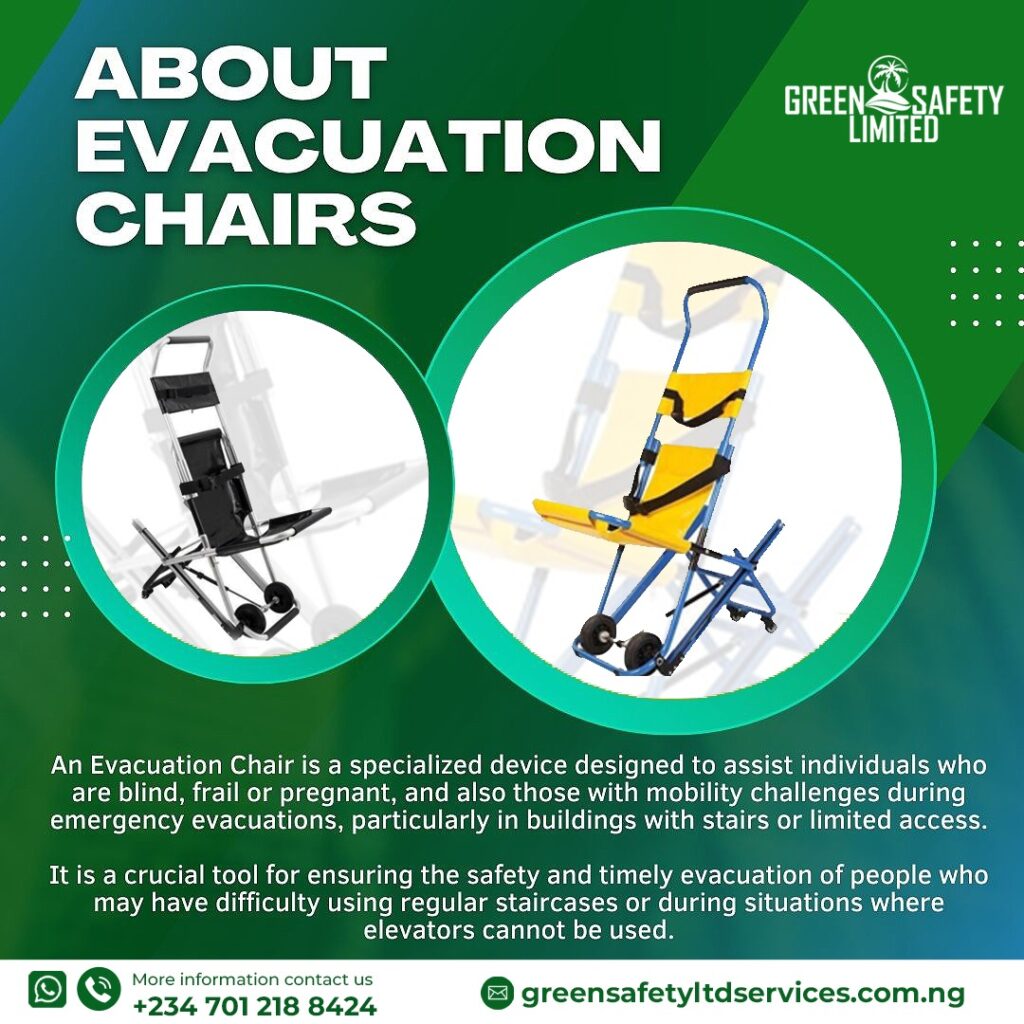
Emergencies can strike unexpectedly, posing unique challenges for caregivers responsible for individuals with limited mobility. Caregivers play a crucial role in ensuring the safety and well-being of their loved ones, especially during critical situations. One valuable tool that caregivers should consider as part of their emergency preparedness plan is the use of evacuation chairs. We will explore how caregivers can enhance home safety and effectively navigate emergencies by incorporating evacuation chairs into their preparedness strategy.
1. Understanding the Role of Evacuation Chairs: Provide a brief overview of what evacuation chairs are and how they are designed to transport individuals with mobility challenges, particularly down stairs, in emergency situations.Highlight the importance of having an evacuation plan tailored to the unique needs of the individual under the caregiver’s care.
2. Assessing Home Risks and Building a Customized Plan: Discuss the significance of conducting a thorough assessment of the home environment to identify potential risks and obstacles during evacuations.Guide caregivers in developing a personalized evacuation plan that outlines escape routes, assembly points, and key contacts.
3. Choosing the Right Evacuation Chair: Offer insights into factors caregivers should consider when selecting an evacuation chair, such as weight capacity, ease of use, and storage options.Highlight the importance of choosing a chair that matches the individual’s specific mobility needs.
4. Proper Training and Familiarization: Emphasize the need for caregivers to receive training in operating evacuation chairs, including practicing evacuation scenarios.Provide resources for accessing training materials and information.
5. Integrating Evacuation Chairs into the Emergency Kit: Recommend including evacuation chairs as an essential component of the emergency kit, along with other necessary supplies.Discuss storage options and best practices for keeping evacuation chairs accessible and ready for use.
6. Practicing Regular Drills: Stress the importance of practicing evacuation drills regularly with the individual under the caregiver’s care.Provide a step-by-step guide to conducting effective evacuation drills, including clear communication and timing.
7. Collaborating with Emergency Services: Encourage caregivers to establish communication with local emergency services and inform them about the presence of individuals with mobility challenges in the household.Discuss how caregivers can include relevant information in medical profiles and communicate any special needs.
8. Building a Support Network: Highlight the value of involving family members, neighbors, and friends in the emergency preparedness plan to ensure a coordinated response.Emphasize the importance of discussing the evacuation plan with all members of the household.
Conclusion: As a caregiver, proactive planning is the key to ensuring the safety and well-being of your loved ones during emergencies. Incorporating evacuation chairs into your preparedness strategy can provide you with the peace of mind that you are equipped to handle challenging situations. By assessing risks, choosing the right equipment, and practicing evacuation scenarios, caregivers can create a comprehensive plan that enhances home safety and minimizes the impact of emergencies on individuals with limited mobility.