
Workplace accidents not only pose a risk to employee well-being but can also lead to serious
legal and financial consequences for organizations. One of the most overlooked yet highly
effective tools for accident prevention is workplace safety signage. According to safety studies,
effective signage can reduce workplace incidents by up to 40%, especially in environments
where hazards are clearly marked and safety instructions are easy to follow.
Why Signage Matters in the Workplace
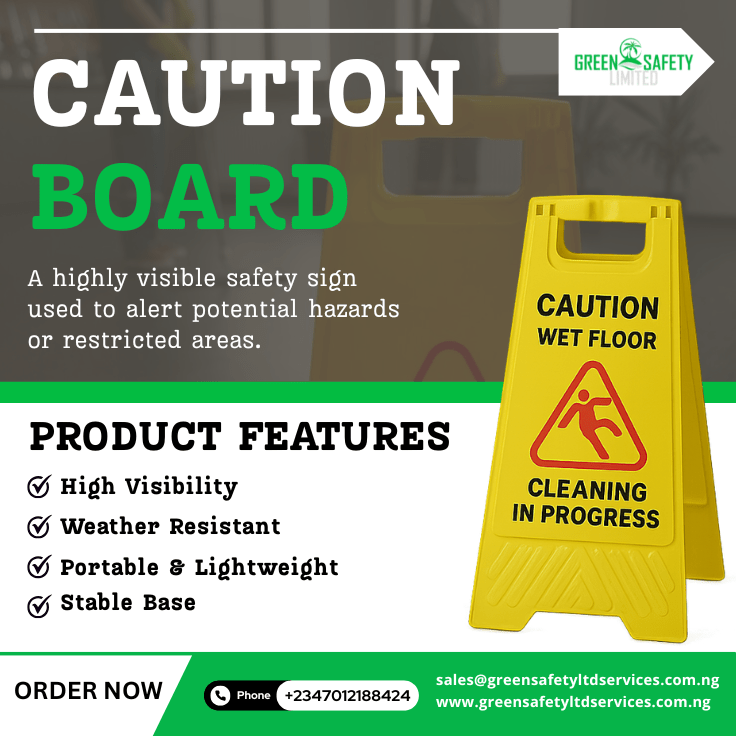
Signage serves as a silent guide in any professional environment. Whether it’s a “Wet Floor”
sign, fire exit instructions, or personal protective equipment (PPE) reminders, well-placed signs
prompt employees and visitors to take necessary precautions. Signage acts as a visual cue,
helping prevent accidents by reinforcing awareness and safety culture.
Beyond simple warning signs, comprehensive signage includes instructions, color coding, and
standardized icons, all of which contribute to making your workplace safer and more compliant
with industry regulations.
Common Causes of Accidents That Signage Can Prevent
Many workplace accidents stem from a lack of awareness or poor communication. The following
types of incidents can be significantly reduced with proper signage:
● Slips, trips, and falls due to wet floors or cluttered walkways
● Machinery-related injuries in manufacturing areas
● Chemical exposure in labs or cleaning stations
● Fire hazards when exits and extinguishers are not clearly marked
● Electrical accidents in maintenance areas
Signage warns of these dangers in real-time, allowing staff to adjust their behavior instantly.
This real-time prevention is critical for fast-paced environments where verbal reminders are not
practical.
Types of Safety Signage and Their Functions
Safety signage can be categorized by purpose:
● Warning Signs: Alert people to potential hazards (e.g., high voltage, flammable
materials)
● Mandatory Signs: Indicate specific actions that must be taken (e.g., wear helmets, use
gloves)
● Prohibition Signs: Inform people about forbidden actions (e.g., no smoking, no entry)
● Emergency Signs: Direct staff to safety equipment and exits (e.g., fire exit, first aid)
Each type plays a unique role in risk reduction. Signage placement should be strategic — at eye
level, well-lit, and located where the hazard or safety action is most relevant.
Compliance and Legal Implications
Workplace signage is not just best practice — it’s often a legal requirement. Regulatory bodies
such as OSHA (Occupational Safety and Health Administration) and Nigeria’s Factories Act
mandate the use of specific signage in hazardous work environments.
Failing to install the right safety signage could lead to:
● Regulatory fines
● Lawsuits due to negligence
● Increased worker compensation claims
● Loss of productivity and employee trust
Investing in professional signage is a proactive step toward legal compliance and employee
protection.
Why Green Safety Limited is Your Go-To Partner for
Workplace Signage
Green Safety Limited provides custom safety signage solutions tailored to your workplace
environment. Whether you run an office, factory, or commercial building, Green Safety ensures
your safety signs are:
● Compliant with local and international standards
● Made from durable, weather-resistant materials
● Clear, visible, and strategically placed
● Supported by expert safety audits and consultations
With our extensive experience in workplace safety services, Green Safety Limited helps
organizations implement signage systems that actually reduce incidents — not just check
boxes.
Visit us at:
9A, Oladapo Street, Off Epe Close, Ikosi Road, Oregun, Ikeja, Nigeria
Email:
greensafety@ymail.com
sales@greensafetyltdservices.com.ng
info@greensafetyltdservices.com.ng
Call:
0803 079 4980
0703 306 5716
Best Practices for Implementing Workplace Signage
To maximize the effectiveness of signage:
● Use simple and universally understood language
● Include pictograms and symbols
● Use bold colors (e.g., red for danger, green for safety, blue for instructions)
● Inspect and replace worn-out signs regularly
● Provide training so employees understand the meaning of signs
Proper training and routine evaluations are essential. Signage should be a part of a larger safety
management system.
FAQs
Q: What is the most important location for signage in the workplace?
A: High-risk areas such as machinery zones, chemical storage rooms, emergency exits, and
wet-floor zones should always have clear, visible signage.
Q: How often should safety signs be reviewed or replaced?
A: Every 6 to 12 months or immediately if they are damaged or faded.
Q: Can customized signage be more effective than generic signs?
A: Yes. Customized signage tailored to your specific workplace hazards is usually more
relevant and effective in accident prevention.
Q: Are digital signs better than traditional ones?
A: Digital signs offer flexibility and can display real-time alerts, but static signs are essential for
constant reminders and don’t rely on power or network connections.